Benzofuran
Molecular Scaffold, Synthetic Chemistry, and Biological Activity
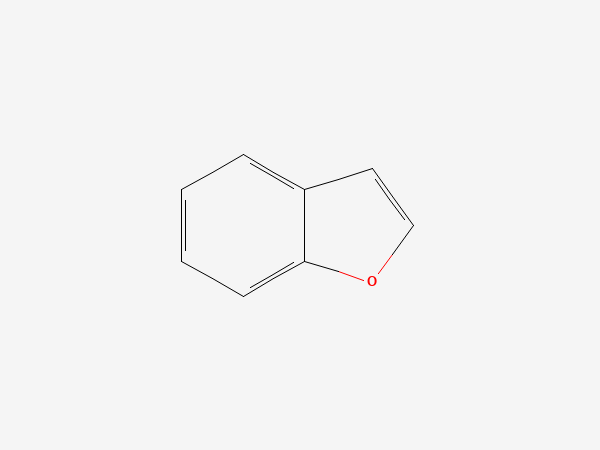
Benzofuran is an oxygen-containing heterocycle formed by the fusion of a benzene ring with a furan ring. Its compact framework, modifiable reactive sites, and broad biological profile make it a privileged platform in medicinal chemistry, heterocyclic synthesis, and functional materials. This site collects research notes on the synthesis, reactivity, and biological significance of the scaffold.
Latest Literature
Biological Activities of Benzofuran Scaffolds
Research notes on the synthesis, reactivity, and biological activity of the benzofuran scaffold.
Benzofuran Derivatives in Heterocyclic Chemistry
Research notes on the synthesis, reactivity, and biological activity of the benzofuran scaffold.
Advances in Benzofuran Synthesis
Research notes on the synthesis, reactivity, and biological activity of the benzofuran scaffold.
Research Areas
Four interconnected themes trace the scaffold from bond construction through reaction mechanism to biological function and materials application.

Drug Synthesis
From classical cyclization to transition-metal catalysis and greener routes for constructing the scaffold.
Heterocyclic Chemistry
Aromaticity, reactive sites, and fused or spiro modification of the oxygen heterocycle.

Biological Activity
Antimicrobial, anticancer, anti-inflammatory, and antioxidant profiles, with structure–activity relationships.

Materials Application
Structure–property relationships in organic optoelectronics, fluorescent probes, and functional materials.